It was August 18, 2018.
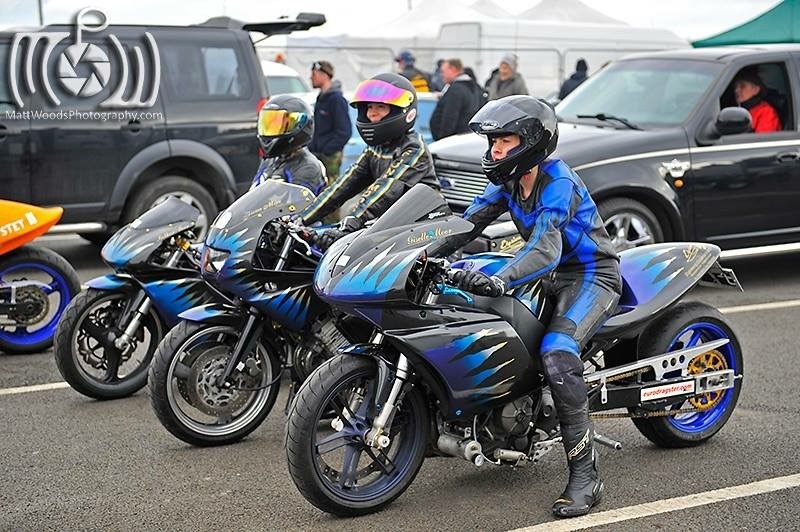
I’m staring down a quarter-mile of smooth black rubber. Butterflies in my belly, the same ones I’ve felt since I was twelve. Beneath me, my 1000cc engine hums; she’s powerful and alive.
I tiptoed towards an invisible start line. It’s race day. As the lights drop, I know exactly what to do; it’s instinct, muscle memory, and familiar.
I twist the throttle, and we fly. But we didn’t go straight this time. Instead, we snapped back, sudden, violent, and sky-bound. A power wheelie turned paper plane. I only had one choice: let go, hit the ground, and hope.
I remember everything about this day. Before, during, and after, right up until they put me to sleep for surgery. But there are two thoughts I always seem to share when I tell my story. The first came the moment I hit the tarmac, and I thought fuck. I can’t feel my legs.
The second, when I was distracted from thought by the pain that soared through my body.
This is the story of how I became disabled. I’ve had to share it more times than I care to count. I talk about it often, not for sympathy, but because it shaped who I am. Drag racing wasn’t just a hobby; it was my history, my heritage. Petrol runs in my blood, and whilst most kids grow up in backyards, my sister and I were raised behind a start line. We’d later go on to race each other. The sport, where our family dropped the threads of separate lives to spend time together.
But drag is only a sliver of my story and my accident, fourteen seconds out of thirty-two years.
Yet for most people, it’s the only thing they want to know about, because society sees disability as a full stop.
My whole existence, reduced to a single story. One single identity.
But the truth is, I wear many masks and I carry many labels, and “Disabled” is just one. I am a whole human being, without my wheelchair, and today I am writing about her. Who she was, who she is, and who she might be becoming.I was 24. A fashion girlie by day, bouncer by night, biker on the weekends. I’ve never been someone who fits neatly into one box.
I also always knew I was meant to travel the world. I live in the land of pink clouds and magic. I chased my dreams and followed the sparkles. But I was also raised in realism, so when I said I wanted to travel, I was told to get a job instead. And it made sense to me, because I didn’t just want to escape, I wanted to do it properly.
I wanted to see the world.
More importantly, though, I wanted someone to share it with. So I got the job and I moved to London. But when you are young, single, and living in the capital your pay cheque aren’t for plane tickets. They’re for bottomless brunch and bad decisions. Which meant that by 24, I was still no closer to my dream.
All things being said, I loved my job. I was living a good life and - I’d found my lobster.
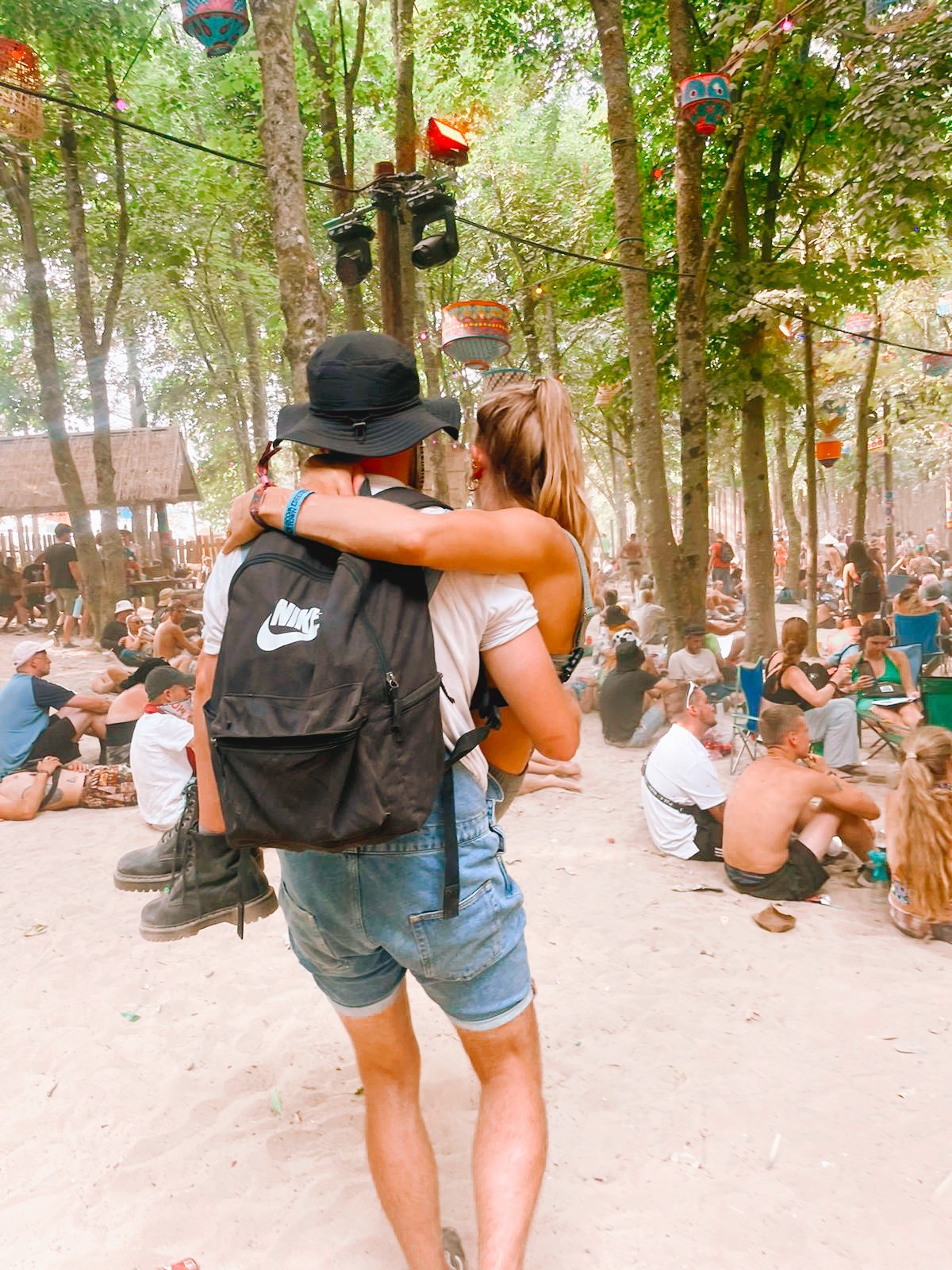
Six days before my accident, I was sat in a camping chair at Boomtown, 6 am. The sun was rising on the final morning of the festival and I am surrounded by music, magic, and my people and I genuinely remember feeling untouchable.
The universe did not even give me a full working week before she knocked me on my arse — and I’ve not since got back up.
Recovery & Refusal
Because just like that: my sliding doors moment. When everything else melted away to leave a young, vulnerable woman, figuring out who she was now that she might never walk. But here’s the thing: I was the same young woman, and I had not changed.
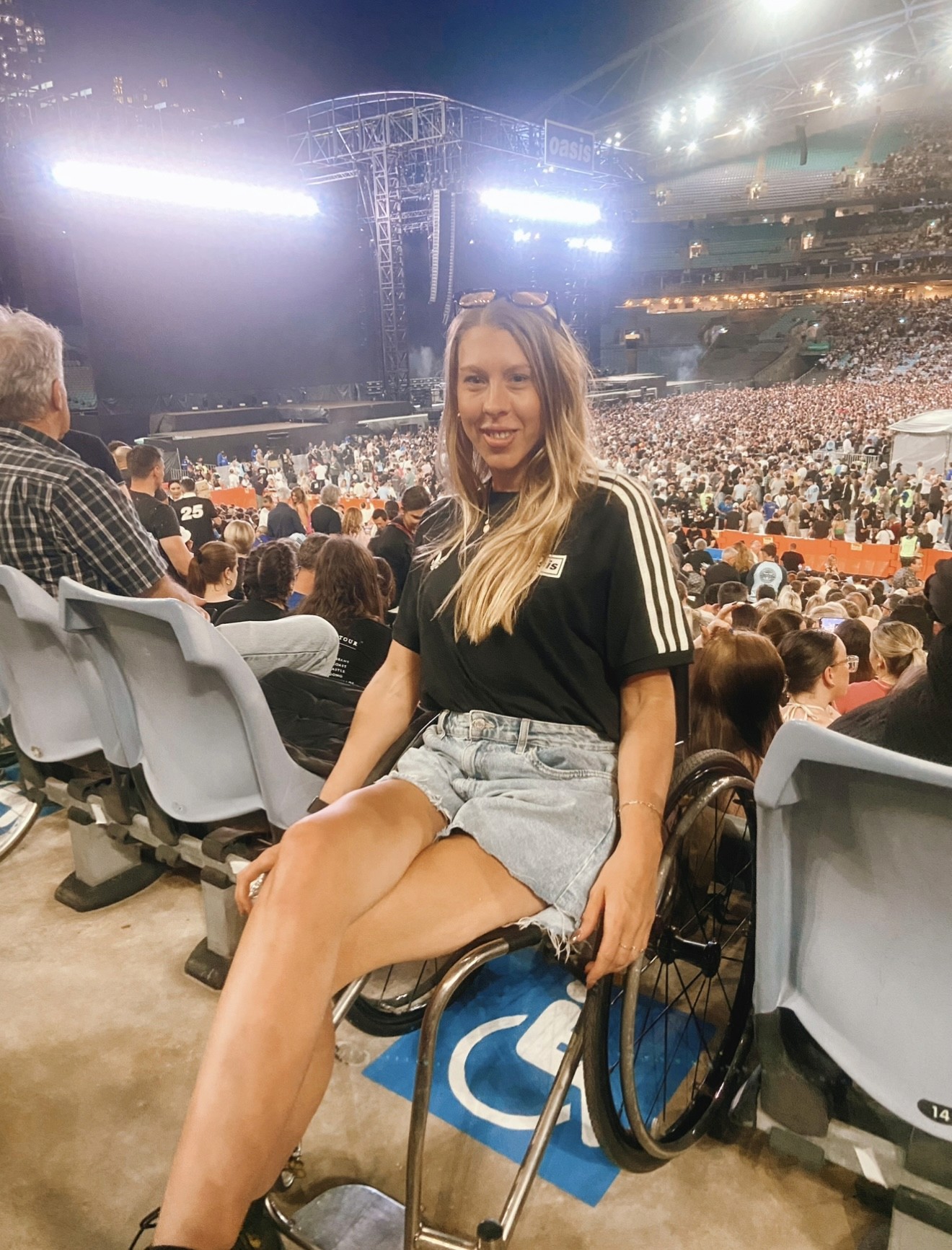
I went back to work and I moved back to London. Still, the fashion girlie who worked in wholesale. Lover of life, and I lived for live music. Front row and festivals, a stage was still my sanctuary. And that decade-long dream to travel? Also still very much there.
Machu Picchu was still pinned to my vision board, like it was always inevitable I’d reach the summit, which, much later, would become ironic.
But I worked hard in physio. My therapist Josie, worked on rebuilding strength, and I worked on rebuilding stubbornness, and with her help, I learnt how to walk up stairs.
And then COVID hit. For once, time slowed down, and we both saved, so that when the world opened up, we had a plan. Our plane tickets were booked, and our backpacks were packed. Finally, we were leaving London and corporate life behind.
I knew travelling the world in a wheelchair would be hard.
I didn’t know it would break me, or we.
On the road
Thirteen months and seventeen countries. It is one of the hardest things I’ve ever done and somehow still one of the best. It tested our relationship in ways we never saw coming because I lost almost all my independence. It turns out the world isn’t built for people in wheelchairs, not in South America, not in Southeast Asia, and sometimes not even in Sydney.
We started so green, baby backpackers on the shores of Brazil, scared and questioning every decision we’d ever made. We got stuck in Argentina because my medical supplies got sent home the same day my wheelchair broke. Bolivia? The most beautiful of countries with salt flats for days and cities in the sky. Hill after hill, thank god we had help. But the most iconic memory? My lobster is carrying me to breakfast over caiman-infested waters in the Amazon.
What were we thinking? But we made it work. He made it work because we wanted to see the world.
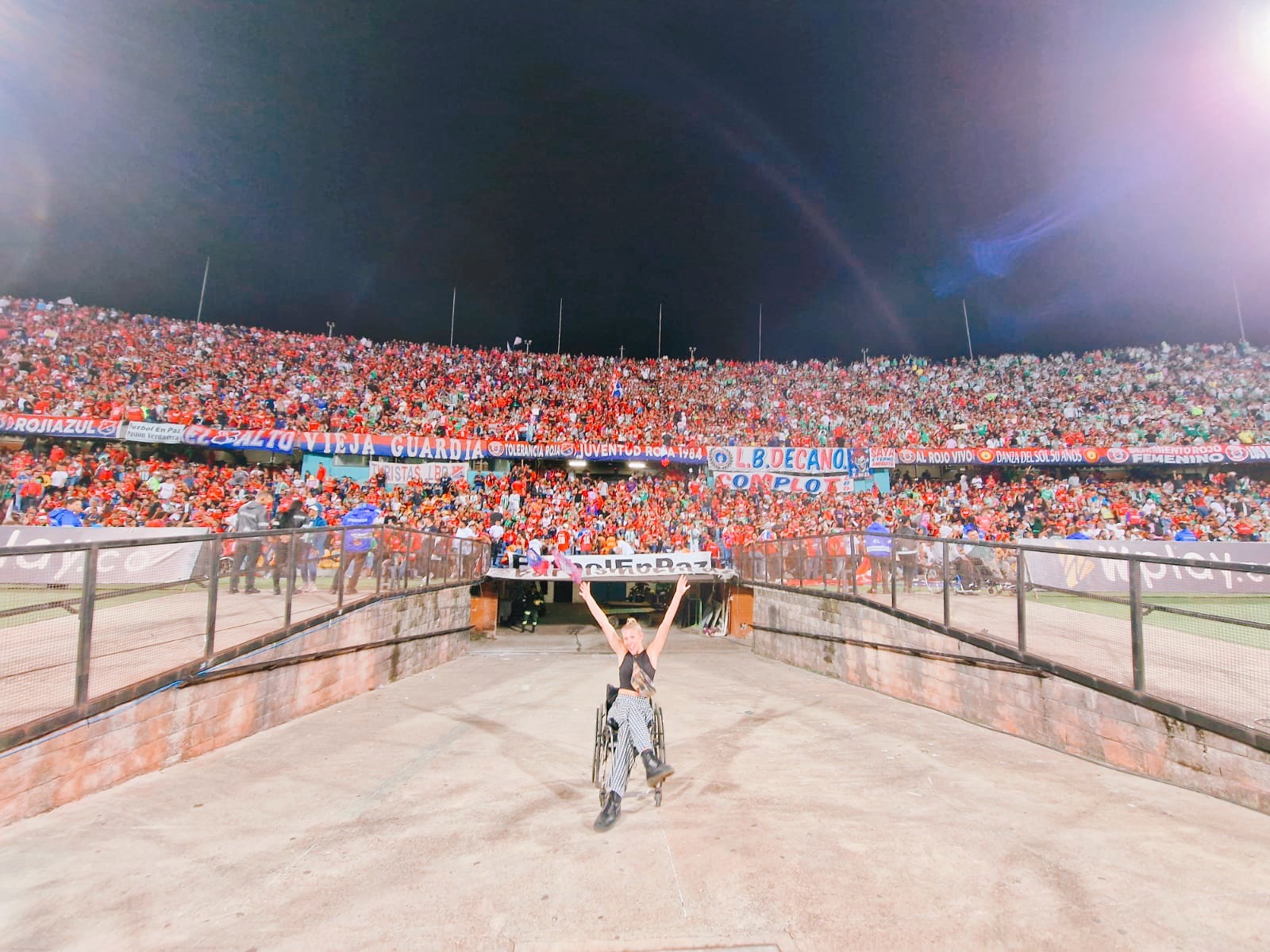
We clocked Chile and Colombia: chaos along the coastlines. Peru, though, the place I’d been waiting years to see, is still stuck on the vision board. Because whilst we’re willing to try almost anything, escaping a country in civil unrest with a wheelchair was where we drew the line.
We came back shells. Sleep-deprived and slightly unhinged. Wondering why we thought booking the second leg straight after was a sensible idea. But it was the plan. So we spent five weeks at home before boarding our plane to Bali. Another six months of sunshine, chaos, and complete inaccessibility.
Thailand, Laos, Cambodia, Vietnam, Hong Kong, the Philippines, Singapore — we saw them all with smiles on our faces and exhaustion in our eyes. But it would all be worth it because I got back on a bike. The Hà Giang Loop. The most magical of them all. To feel so small, so insignificant, surrounded by that kind of beauty and all while trusting my safety to a 17-year-old.
But by this point, it was all becoming a blur. We were done. Box ticked. Bucket list complete. We ended our trip at Christmas. Broken in some ways. Changed in them all. But it was magic.
And now, being a backpacker. That’s part of my identity, too. It’s shaped how I exist in the world. And those experiences will shape how I show up, forever.
But I’m not just the backpacker.
I’m the biker and the bouncer. The fashion girlie from wholesale. Music lover and life coach. My list could go on, and it does. Because even though disability touches almost every aspect of my life, it is not the only identity, and nor will it be. See, society sees disability as a full stop. Few people dare to look beyond or to ask a question or start a conversation that doesn’t begin and end with my chair.
It’s no one’s fault, but some days it feels like that’s all people see. Like it’s the only identity I’m allowed to claim.
But it’s not just about disability.
We’re all taught to lead with our labels. We are so proud to represent something and so quick to stick a label on someone else. And in the process, we shrink ourselves and each other down.
We get boxed in.
Until the very things that made us visible start being used to keep us small and separate. Our identities — meant to be worn with pride — so often used as weapons.
But here’s the truth: We are human. And we don’t belong in one box.
I hold more than one identity, and I refuse to be reduced to the one I didn’t get to choose. There has to be space for all of it. All of me. All of you.
The mess, the meaning, the whole human being.
Because the moment we start to see identity as something expansive and ever-changing is the moment we start to see each other’s full story.
But I’m not just the backpacker.
I’m the biker and the bouncer. The fashion girlie from wholesale. Music lover and life coach. My list could go on, and it does. Because even though disability touches almost every aspect of my life, it is not the only identity, and nor will it be. See, society sees disability as a full stop. Few people dare to look beyond or to ask a question or start a conversation that doesn’t begin and end with my chair.
It’s no one’s fault, but some days it feels like that’s all people see. Like it’s the only identity I’m allowed to claim.
But it’s not just about disability.
We’re all taught to lead with our labels. We are so proud to represent something and so quick to stick a label on someone else. And in the process, we shrink ourselves and each other down.
We get boxed in.
Until the very things that made us visible start being used to keep us small and separate. Our identities — meant to be worn with pride — so often used as weapons.
But here’s the truth: We are human. And we don’t belong in one box.
I hold more than one identity, and I refuse to be reduced to the one I didn’t get to choose. There has to be space for all of it. All of me. All of you.
The mess, the meaning, the whole human being.
Because the moment we start to see identity as something expansive and ever-changing is the moment we start to see each other’s full story.